

How to Calculate the Right Box Strength for Your Product
17th Jun 2026
Choosing the correct box strength is one of the most important decisions when packaging a product. Select a box that is too weak and you risk damaged goods, costly returns and unhappy customers. Choose a box that is unnecessarily strong and you could be spending more on packaging than you need to.
Many businesses assume box strength is determined solely by weight, but that's only part of the story. The dimensions, shape, fragility and transit conditions of your product all influence the level of protection required. A lightweight cricket bat, for example, may require stronger packaging than a heavier but compact item because of the additional stresses placed on long boxes during handling and transit.
The good news is that calculating the right box strength isn't complicated when you understand the key factors involved.
In this guide, we'll explain the differences between single wall and double wall boxes, recommended weight limits, transit considerations and when investing in a stronger board grade is worth the additional cost.
Why Box Strength Matters
Many businesses focus on finding the right box dimensions, but box strength is equally important.
The ideal box should:
- Protect products throughout the supply chain
- Withstand stacking during storage and transport
- Minimise movement during transit
- Reduce product damage and returns
- Avoid unnecessary packaging costs
At ASC Direct, all dimensions entered into our Box Builder are internal dimensions, allowing you to create packaging that fits your products precisely and reduces movement during transit. A correctly sized box combined with the right board grade provides the best protection for your products.
Step 1: Consider the Weight of Your Product
Weight is usually the starting point when selecting a box grade.
| Board Type | Recommended Maximum Product Weight |
|---|---|
| Single Wall | Up to 15kg |
| Double Wall | Up to 20kg |
| Heavy Duty Board | Up to 25kg+ |
These figures should be used as guidelines only. The ideal board grade will also depend on your product type, packaging method and shipping conditions.
For example, a compact 12kg metal component may require a stronger board than a 12kg bundle of clothing because the weight is concentrated into a much smaller area.
Step 2: Consider the Size and Shape of Your Product
Weight is important, but it is not the only factor that determines the strength requirements of a box.
Long, narrow products often place different stresses on packaging than compact items of the same weight.
For example, a cricket bat may weigh significantly less than 15kg, which would typically suggest a single wall box is suitable. However, because the product is long and narrow, the packaging is more likely to experience bending, twisting and crushing forces during handling and transit.
A long box can be lifted from one end, stacked unevenly or placed across conveyor systems, creating additional stress along the length of the packaging.
Other examples include:
- Golf clubs
- Curtain poles
- Lighting products
- Metal extrusions
- Signage
- Pipework and tubing
- Long automotive components
In these situations, a double wall box is often the better choice, even when the product weight falls comfortably within the recommended limits for single wall packaging.
Why Long Products Require Additional Strength
Long boxes are more susceptible to:
- Flexing during handling
- Bowing under their own weight
- Corner damage
- Compression when stacked
- Impact damage if unsupported during transit
The additional fluting and liner structure found in double wall corrugated board provides greater rigidity and helps maintain the box's shape throughout the supply chain.
Consider Both Weight and Dimensions
When selecting a board grade, it is important to consider:
- Product weight
- Product length
- Weight distribution
- Fragility
- Transit method
- Stacking requirements
This is why ASC Direct's Box Builder allows customers to create bespoke packaging using exact internal dimensions. By selecting a box that closely matches your product size and choosing the appropriate board grade, you can minimise movement, improve protection and reduce the risk of damage during transit.
Single Wall vs Double Wall Boxes
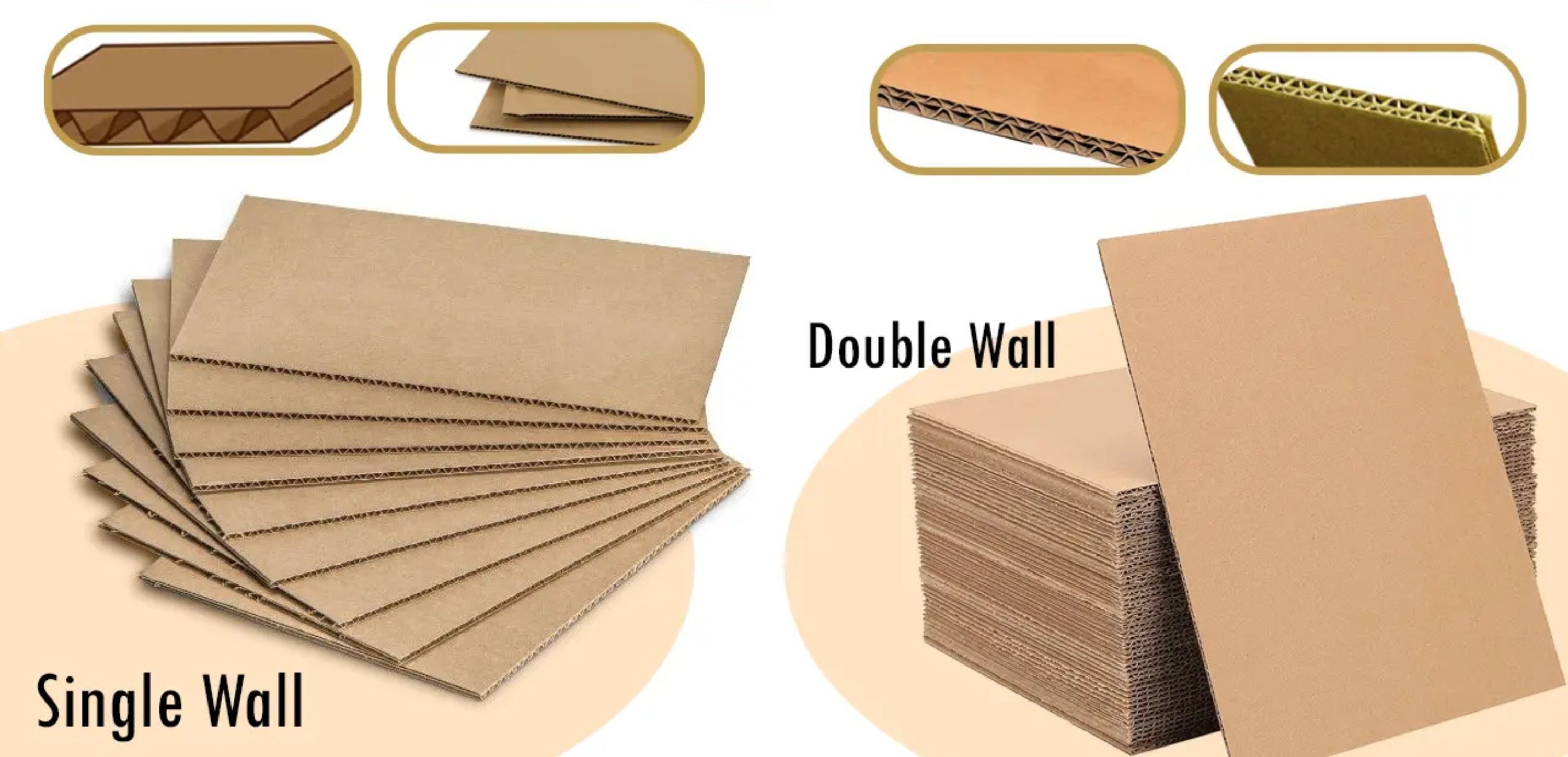
Single Wall Boxes
Single wall corrugated boxes consist of one layer of fluting between two outer liners.
They are ideal for:
- Lightweight to medium-weight products
- E-commerce orders
- Retail products
- Clothing and textiles
- Books
- Consumer goods
ASC Direct's reinforced Kraft B-Flute single wall material is manufactured to provide excellent strength while remaining lightweight and cost-effective.
Benefits include:
- Lower packaging costs
- Reduced storage space
- Easier handling
- Lower overall shipping weight
- Fully recyclable construction
For most products under 15kg, single wall packaging provides an excellent balance of protection and value.
Double Wall Boxes
Double wall boxes contain two layers of corrugated fluting and three liner boards.
This additional structure provides:
- Greater stacking strength
- Improved puncture resistance
- Better impact protection
- Increased durability during long-distance transport
- Improved rigidity for longer products
Double wall boxes are often recommended for:
- Heavy products
- Fragile items
- Industrial components
- Electronics
- Machinery parts
- Export shipments
- Long or awkwardly shaped products
If your products are regularly transported through courier networks, handled multiple times or stacked on pallets, double wall packaging can significantly reduce the risk of transit damage.
Step 3: Consider Transit Risks
Product weight is only part of the equation.
How Far Is the Product Travelling?
A product shipped locally may experience only a few handling points.
An item sent nationwide or internationally could be loaded, unloaded and sorted numerous times before delivery.
Will the Box Be Stacked?
Warehouses, courier hubs and distribution centres frequently stack boxes.
The boxes at the bottom of a stack must support the weight of those above them.
Is the Product Fragile?
Fragile products often require stronger outer packaging, even when the product itself is relatively light.
Is the Product Valuable?
The cost of upgrading to a stronger board grade is often significantly lower than the cost of replacing a damaged product.
How Many Times Will the Package Be Handled?
Modern courier networks are highly efficient, but parcels may still pass through several depots and handling points before reaching their destination.
Every transfer creates another opportunity for impact damage, crushing or punctures.
The more handling involved, the more important it becomes to select a suitable board grade.
Step 4: Consider Product Shape and Weight Distribution
Not all products behave the same inside a box.
Products with sharp edges, heavy corners, concentrated weight or uneven shapes can place greater stress on corrugated board.
For example, a 10kg metal component may require stronger packaging than a 10kg textile product because the weight is concentrated into a much smaller footprint.
In these situations, adding internal protection or selecting a stronger board grade can prevent box failure and improve product protection.
When Is a Stronger Board Grade Worth the Cost?
Many businesses focus on reducing packaging spend, but choosing the cheapest option is not always the most economical.
Upgrading to double wall or heavy-duty board can be worthwhile when:
- The cost of product damage is high
- You ship heavy products
- Your products travel long distances
- You ship long or unusual products
- Customer experience is important
- You want to reduce returns and replacements
A slightly stronger board grade can often reduce packaging-related claims, saving significantly more money than the small increase in packaging cost.
The Importance of Right-Sized Packaging
Choosing the correct box size works hand-in-hand with selecting the right board grade.
A box that is too large allows products to move during transit, increasing the risk of damage.
Oversized packaging can also increase void fill requirements, shipping costs and material usage.
ASC Direct's Box Builder enables businesses to create custom-sized packaging using precise internal dimensions, helping achieve:
- Better product protection
- Reduced void fill
- Lower shipping costs
- Improved sustainability
- More professional presentation
- Reduced transit damage
Combining the correct dimensions with the appropriate board strength creates a packaging solution tailored specifically to your product.
Quick Box Strength Checklist
- How much does the product weigh?
- Is the product long, narrow or awkwardly shaped?
- Is the product fragile?
- How far will it travel?
- Will it be stacked during storage or transport?
- How valuable is the product?
- Could transit damage be costly?
- Have you selected the correct box dimensions?
Need Help Choosing the Right Box Strength?
Every product is different.
Factors such as weight, dimensions, shape, fragility, transit conditions and storage requirements all influence the ideal packaging specification.
If you're unsure whether a single wall, double wall or heavy-duty board is best for your application, our experienced team can help.
Use our Box Builder to create a bespoke box in minutes, or contact ASC Direct for expert advice on selecting the most suitable packaging solution for your products.
Frequently Asked Questions
How much weight can a single wall cardboard box hold?
As a general guide, single wall corrugated boxes are suitable for products up to 15kg. However, product dimensions, weight distribution and transit conditions should also be considered.
How much weight can a double wall cardboard box hold?
Double wall boxes are typically suitable for products up to 20kg and beyond, depending on the board grade and application.
Is double wall cardboard stronger than single wall?
Yes. Double wall corrugated board contains two layers of fluting, providing greater strength, rigidity and protection against impacts and compression.
How do I choose the right box for shipping?
Consider the product's weight, dimensions, fragility, value and transit conditions. Selecting the correct box size and board grade will help protect products and reduce shipping costs.
What is the strongest type of corrugated box?
Heavy-duty double wall corrugated packaging offers the highest levels of protection and is commonly used for industrial products, export shipments and heavy goods.

James Palfrey-Smith is the General Manager at ASC Direct with extensive experience in both operations and sales. James is passionate about solving packaging problems, delivering fast customer support, and building lasting relationships. Outside of work, he enjoys outdoor activities like hiking and skiing. A fan of real ale and business podcasts, he continuously seeks personal and professional growth.
Find James on Linkedin
Find out more about James