
How Much Time Does Your Packaging Take to Pack?
4th Nov 2026
You probably know how much your cardboard boxes cost. But do you know how long each one takes to pack?
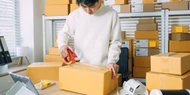
To measure packing time, start when the packer picks up the flat box and finish when the parcel is sealed, labelled and ready to send. Include assembly, protective packaging and any adjustments. Timing several typical orders can help reveal where a different box size or style could make the job easier.
When you're busy getting orders out, a few extra seconds can be easy to overlook. Across a working week, those seconds add up.
A useful packaging review starts at the packing bench.
What Happens Between a Flat Box and a Finished Parcel?
Putting a product in a box sounds straightforward. The actual process can involve several steps:
- Finding the correct box and assembling it.
- Sealing the base.
- Wrapping or cushioning the product.
- Positioning the contents and adding internal protection.
- Closing and sealing the box.
- Applying labels and moving the parcel to dispatch.
Some steps are essential. Others may have become workarounds for packaging that doesn't quite suit the product.
Perhaps someone cuts down a box that's too tall. Perhaps the product needs repositioning several times before the flaps close. Or perhaps every order needs a large amount of paper to fill the space around a small item.
Watch a few orders being packed. The person doing the job will often know exactly where the awkward parts are.
What Could 30 Seconds per Parcel Mean?
Imagine a change to your packing arrangement saves 30 seconds on each parcel.
| Parcels packed | Time saved at 30 seconds per parcel |
|---|---|
| 50 | 25 minutes |
| 100 | 50 minutes |
| 500 | 4 hours 10 minutes |
| 1,000 | 8 hours 20 minutes |
These figures illustrate the calculation. They aren't a promise that changing your box will save 30 seconds.
Your own results will depend on the product, packaging and working method. Measuring the process shows whether there is a worthwhile improvement.
Time released may give your team more capacity for other work. It doesn't automatically reduce your wage bill.
Five Places to Look for Unnecessary Packing Time
1. Adapting a Box Before You Can Use It
Do you regularly cut down tall boxes, trim flaps or make other adjustments?
Occasional adaptations may be practical. Repeating them across the same product line is a reason to compare a box manufactured to the dimensions you need.
Record the time spent modifying the box as part of your comparison. A low purchase price can be less attractive when every box needs extra work.
2. Filling Space That Doesn't Need to Be There
A box that's considerably larger than the protected product can take longer to fill.
Measure the product with its required wrapping or cushioning, then assess the internal space needed. A better fit may reduce the time spent preparing and adding void fill.
Keep the protection the product needs. The aim is to remove unnecessary space while retaining an appropriate packing arrangement.
Our guide to measuring a cardboard box explains the distinction between product measurements and internal box dimensions.
3. Struggling with the Opening or Box Style
A product may fit inside a box but still be awkward to load.
Think about the opening, how the product is held during packing and how internal protection is positioned. A long item, for example, may be easier to load from a different direction.
Compare an alternative style using the actual product. Watch how comfortably the packer can insert it, protect it and close the box.
The quickest assembly doesn't always produce the quickest complete pack. Assess the whole sequence.
4. Reaching for Materials and Searching for Sizes
Time can also disappear while someone finds the correct carton, fetches more paper or searches for the tape dispenser.
Keep frequently used materials accessible and label stored box sizes clearly. Ask the packing team whether the workspace supports the order types they handle most often.
A change to the bench layout may help even when the box specification is already right.
5. Reopening or Repacking Finished Orders
If boxes are repeatedly reopened because the contents have shifted, protection has been missed or the closure is difficult, investigate why.
A clear packing method, supported by photographs where useful, can make repeat orders more consistent. New staff should be able to see how the product and its protection are meant to sit inside the box.
Record rework separately. A packing process that looks fast on the first attempt may take longer once corrections are included.
How to Compare Your Current Packaging with an Alternative
You don't need a complicated study to make a useful first comparison.
- Choose a typical order. Keep the product or product combination the same.
- Time several complete packs. Use the same start and finish points each time.
- Record material use. Include tape, wrapping, cushioning and any adjustments.
- Try an alternative. Compare a revised size, style or packing arrangement.
- Allow time to learn it. A new design may take practice before the comparison is fair.
- Check the finished result. Assess protection, external parcel dimensions and delivery performance alongside time.
Use comparable conditions and, where practical, the same packer. If you dispatch very different products, assess more than one representative order type.
Ask the packer which arrangement feels easier and more repeatable. Their feedback can explain the numbers.
Compare the Cost of the Complete Pack
Box price is one part of the decision. Protective materials and packing time matter too.
For illustration, suppose an alternative box costs 10p more but saves 30 seconds of packing time. At an assumed labour cost of £15 per hour, those 30 seconds represent 12.5p of labour time.
That comparison suggests the extra box cost could be offset by the time released, before considering material differences. These are illustrative figures, not ASC prices or a guaranteed cash saving.
Use your own costs and measurements. Also check whether the change affects postage, storage or product protection.
Our guide to custom cardboard box costs explains the wider factors that influence the price of your packaging.
Try a Different Specification with Box Builder
If your review points to an oversized or awkward box, ASC Direct's Box Builder lets you compare available dimensions, styles, board grades and quantities with instant online pricing.
Enter the internal dimensions required for the product and its protection. Custom-sized orders start from 25 boxes, giving you a manageable way to assess a new specification before buying more.
Use a small order to check assembly, packing consistency and representative deliveries. A few successful shipments provide useful feedback, but don't guarantee performance in every transit condition.
If you're unsure which style suits your process, speak to our team about what you're packing and where the difficulties occur.
Frequently Asked Questions
How long should it take to pack a parcel?
There isn't one target that suits every order. Product fragility, the number of items, box construction and protective packaging all affect the time needed. Start by measuring your own typical orders.
Can a custom-sized box reduce packing time?
It can help where the current box needs cutting down, excessive void fill or repeated adjustments. The benefit depends on the product and packing method, so compare the complete process.
Should I use less protective packaging to pack faster?
Only remove material that is unnecessary for the application. Assess product protection alongside packing time and review delivery performance before adopting a revised method.
What should I include when timing a pack?
Include box assembly, internal protection, product placement, sealing and labelling. Record searching, material preparation and rework where they form part of the normal process.
Take a Closer Look at Your Next Few Orders
Before reordering your packaging, watch how it's being used.
A few timed orders can show whether the box is helping your team or creating extra work. Where a different size or style looks promising, compare it with your current arrangement and check the results.
Explore Box Builder and find a specification to suit

James Palfrey-Smith is the General Manager at ASC Direct with extensive experience in both operations and sales. James is passionate about solving packaging problems, delivering fast customer support, and building lasting relationships. Outside of work, he enjoys outdoor activities like hiking and skiing. A fan of real ale and business podcasts, he continuously seeks personal and professional growth.
Find James on Linkedin
Find out more about James